
Hikes at High Mountain Preserve: How UV Protection Keeps Your Autumn Trails Clear
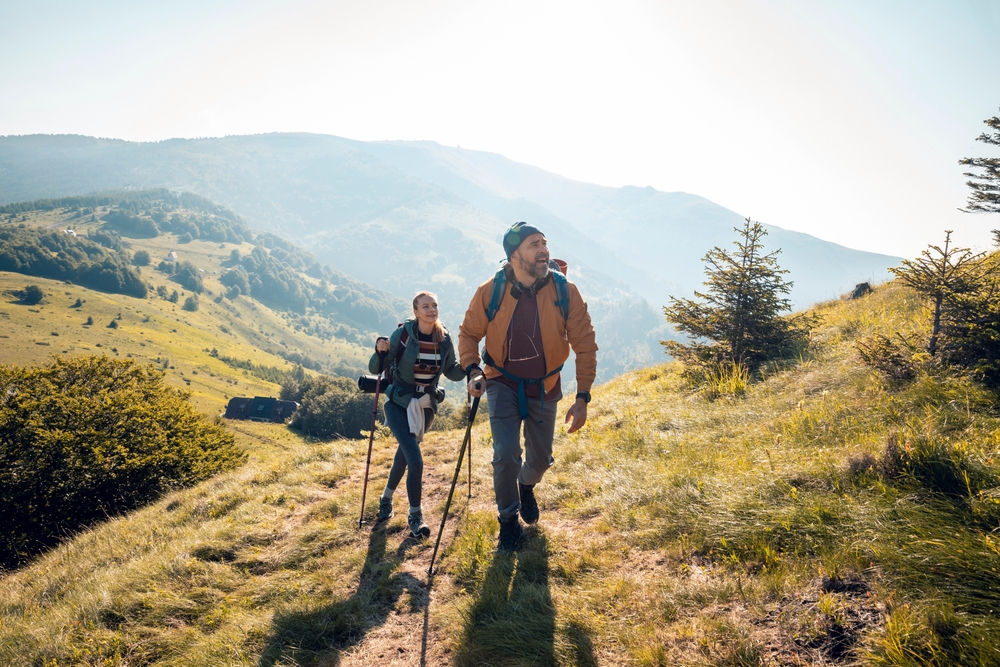
Autumn is one of the best times to explore High Mountain Preserve. Cooler temperatures, changing leaves, and crisp views make fall hiking especially appealing for families and outdoor enthusiasts around North Haledon. While you may remember supportive shoes and an extra layer, protecting your eyes from ultraviolet radiation should also be part of your hiking routine.
At High Mountain Eyecare, we encourage our North Haledon patients to think about UV protection year-round. Even when summer is over, ultraviolet rays can still affect your eyes during an afternoon on the trail.
Why UV Protection Still Matters in the Fall
Lower temperatures do not mean UV exposure disappears. UVA and UVB rays reach your eyes throughout the year, including on cool or partly cloudy autumn days. Spending several hours outdoors can add to your cumulative UV exposure over time.
Quality sunglasses with proper UV protection help reduce the amount of ultraviolet radiation reaching your eyes. They can also make a hike more comfortable by reducing brightness and glare, particularly when moving between shaded wooded areas and open sections of a trail.
What To Look For In Hiking Sunglasses
Not every pair of sunglasses provides the same level of protection. When choosing eyewear for outdoor activities around North Haledon, we recommend considering features that support both protection and comfortable vision.
Look for:
Lenses that block 99 to 100 percent of UVA and UVB radiation
Polarized lenses to reduce glare from reflective surfaces
A comfortable, secure frame that stays in place while walking
Larger or wraparound frames for additional coverage
Impact-resistant lens materials suited for active lifestyles
Prescription sunglasses if you need vision correction outdoors
Dark lenses alone do not necessarily mean better UV protection. The UV-blocking properties of the lens are what matter most.
How Polarized Lenses Can Improve Trail Comfort
Polarized sunglasses are especially useful for people who spend a lot of time outdoors. These lenses are designed to reduce reflected glare, which can make bright conditions more comfortable and help improve visual contrast.
On an autumn hike, clearer contrast may make it easier to notice changes in terrain, exposed roots, rocks, and other details along the path. Polarized lenses can also be helpful when sunlight reflects off wet leaves, water, or other shiny surfaces.
For patients who wear prescription glasses, we can help determine whether prescription polarized sunglasses are a practical option for hiking and everyday outdoor use.
Protecting Your Eyes Beyond Sunglasses
Sunglasses are an important first step, but they can work even better when combined with a wide-brimmed hat or cap. This adds shade and can further reduce direct sunlight reaching your eyes.
Regular comprehensive eye exams are also important. At our North Haledon office, we evaluate your vision and overall eye health while helping you find eyewear that fits your prescription, lifestyle, and outdoor activities.
Before your next fall hike, make sure your eyes are as prepared as the rest of your gear. Contact High Mountain Eyecare in North Haledon, NJ at 33 Sicomac Rd., Suite #204 by calling or texting (973) 427-7801 to schedule an eye exam or ask about UV-protective eyewear.
Helpful Articles

All Eye Care Services
Find personalized eye care excellence with our comprehensive services. From eye exams to advanced diagnostics, trust us for all your vision needs.

Keep In Touch
For non-urgent questions or to learn more about our services, contact us today!
© 2026 High Mountain Eyecare. All rights Reserved - Accessibility Statement - Privacy Policy - Sitemap
Managed and Designed by 